
Roman Britain
Christianity first reached Britain under Roman rule. St Alban became the first British martyr, and by 314 British bishops were attending the Council of Arles — the faith was already organised on these shores.
 Scroll
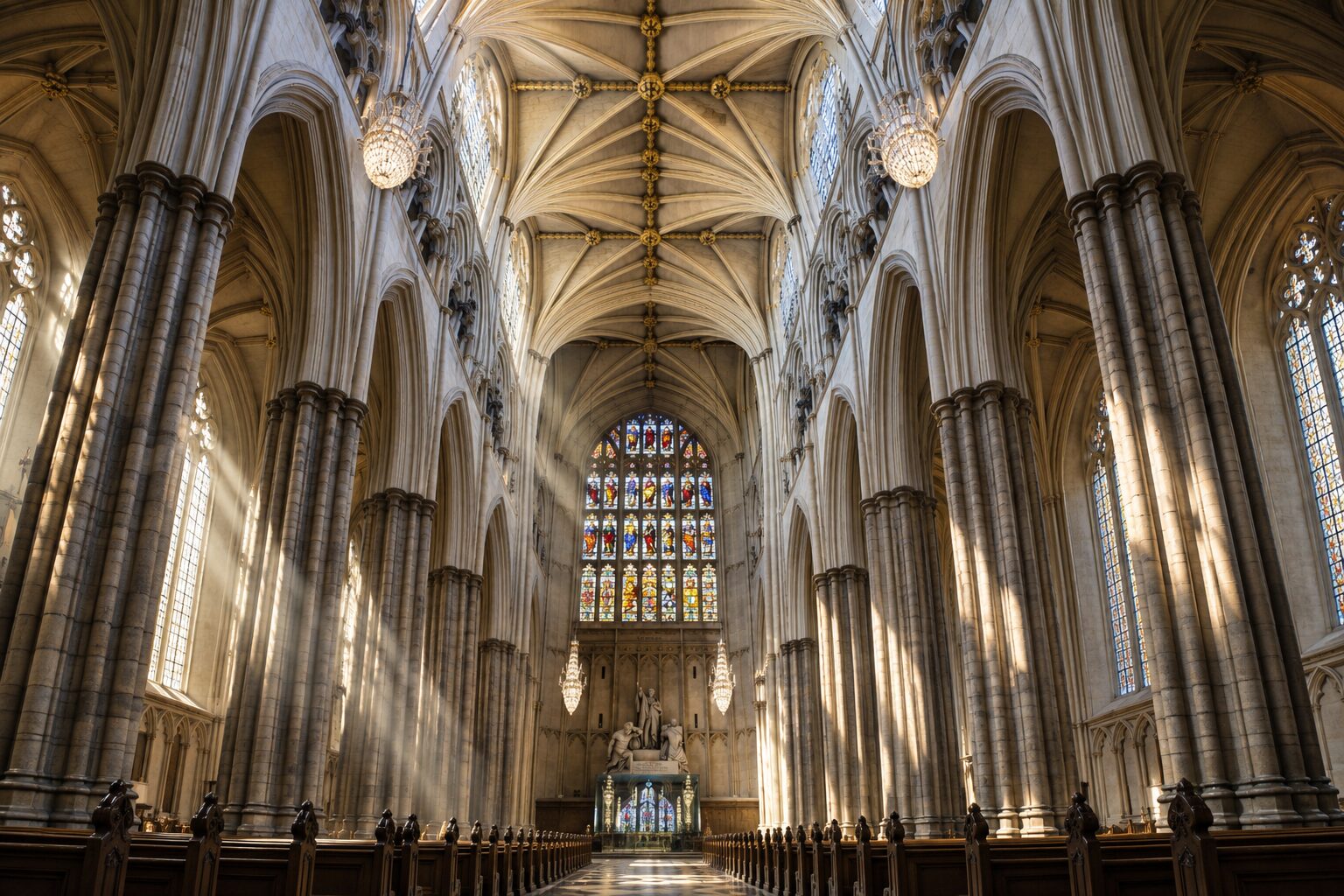
For fifteen centuries the cathedrals and churches of England have shaped the skyline and the soul of the nation.
From the mission of Augustine at Canterbury to Wren's dome above London, these buildings record the coming of Christianity, the ambition of Norman and Gothic masons, and the upheavals of the Reformation. This guide gathers ten of the greatest — their founding dates, their architecture and the stories held within their walls.
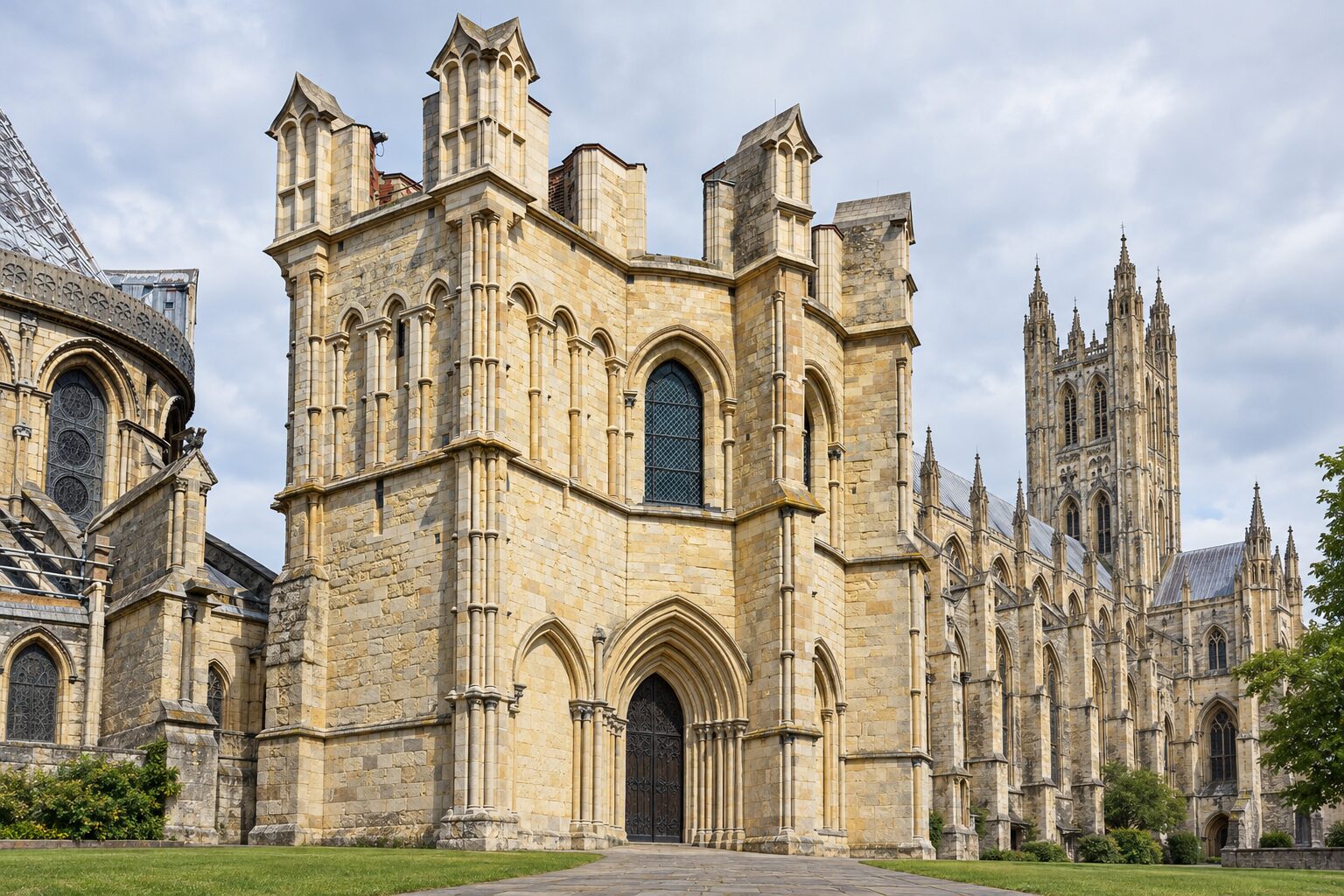
Each is still a place of worship, and each is a chronicle: of saints and kings, of fire and rebuilding, of craftsmanship that has outlasted empires. To walk their naves is to move through more than a thousand years of English history — and to look up at ceilings raised by hands long turned to dust.
Explore the cathedrals →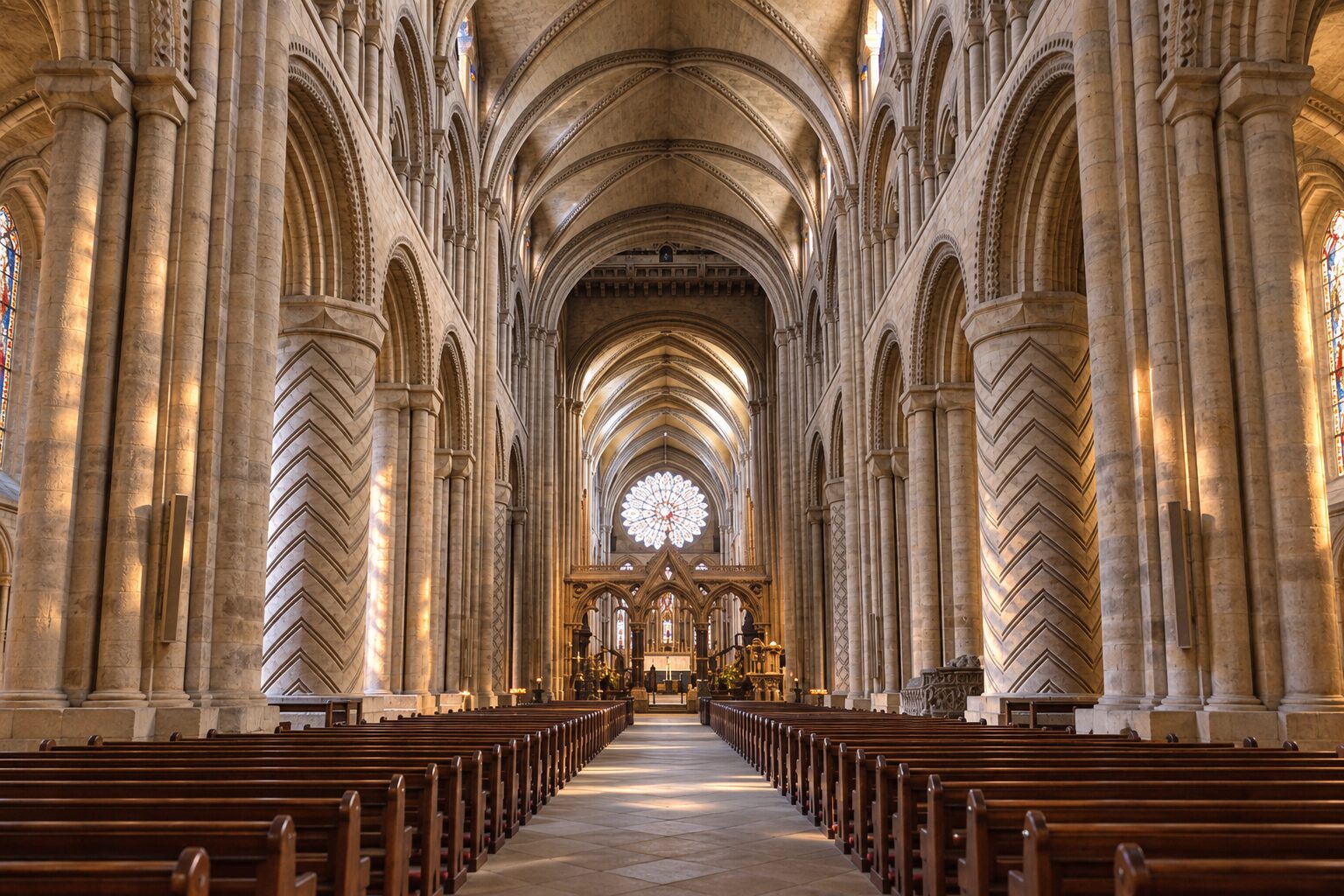
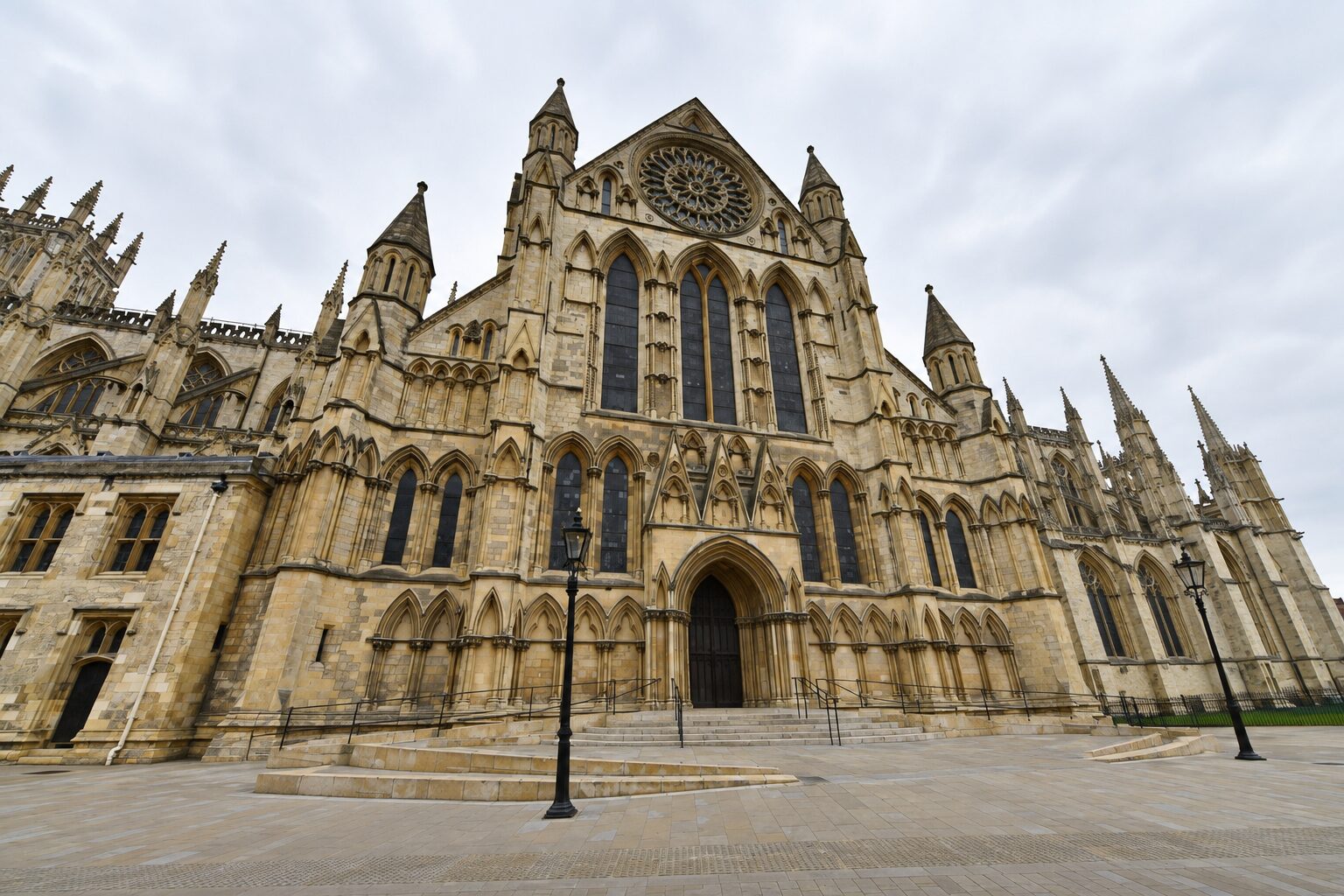
How the faith reached these islands, took root, and raised the cathedrals — from Roman Britain to the Reformation.
Christianity first reached Britain under Roman rule. St Alban became the first British martyr, and by 314 British bishops were attending the Council of Arles — the faith was already organised on these shores.
Pope Gregory the Great sent Augustine to King Æthelberht of Kent. Augustine founded his see at Canterbury, and from that mission grew the organised English Church that endures to this day.
Meanwhile the northern mission from Iona and Lindisfarne had evangelised Northumbria. At the Synod of Whitby the English Church aligned itself with Roman practice, uniting the traditions of north and south.
The Norman Conquest opened a great age of building. Romanesque gave way to Gothic as masons raised ever taller vaults and spires — Durham, Canterbury, Salisbury, Lincoln and York among the wonders of medieval Europe.
Henry VIII broke with Rome and dissolved the monasteries. The Church of England was established, and many monastic churches became the cathedrals we know today — later joined by Wren's Baroque St Paul's after the Great Fire.
Chosen for their history and their architecture — each with its founding date, its story and its images of interior and exterior.
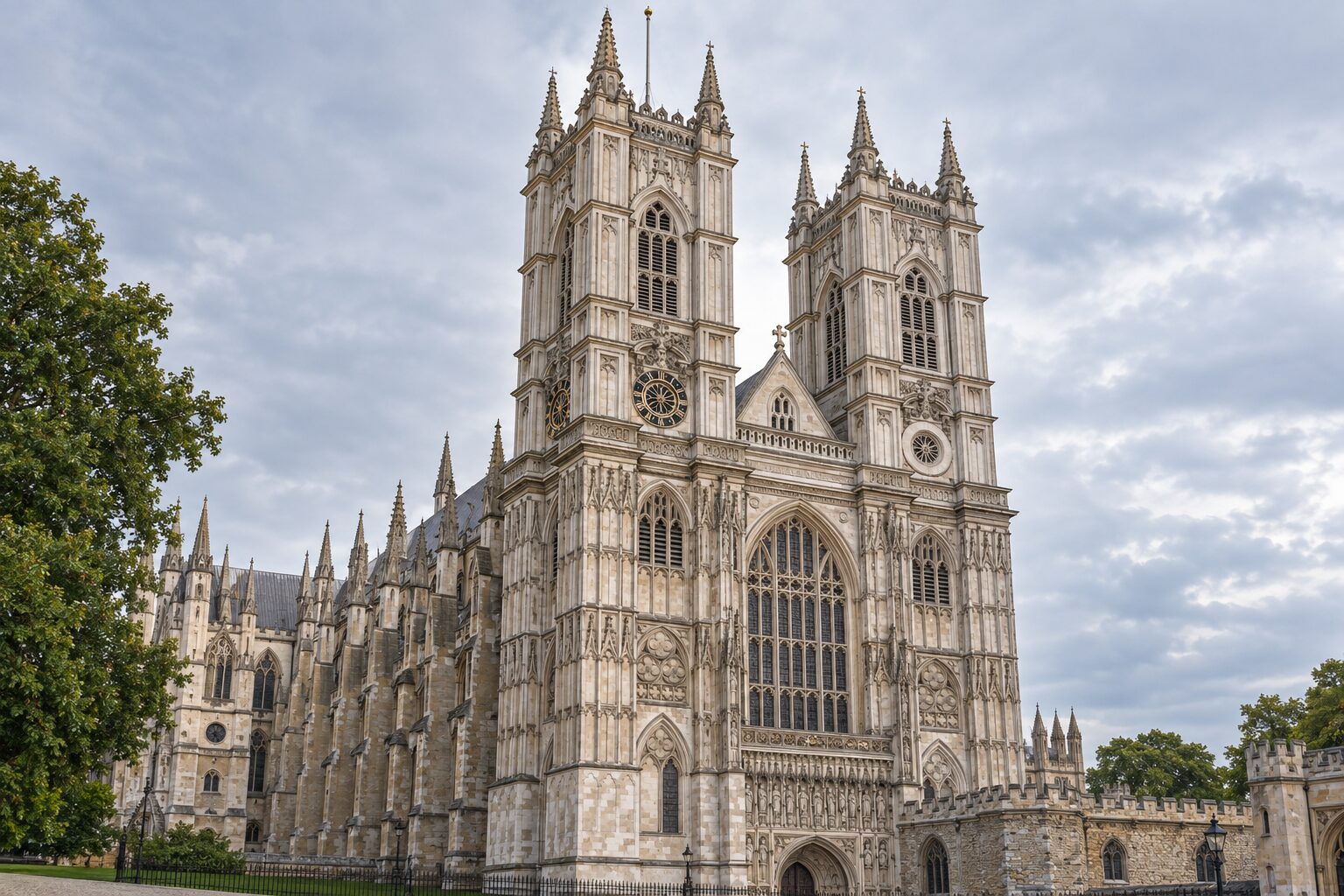
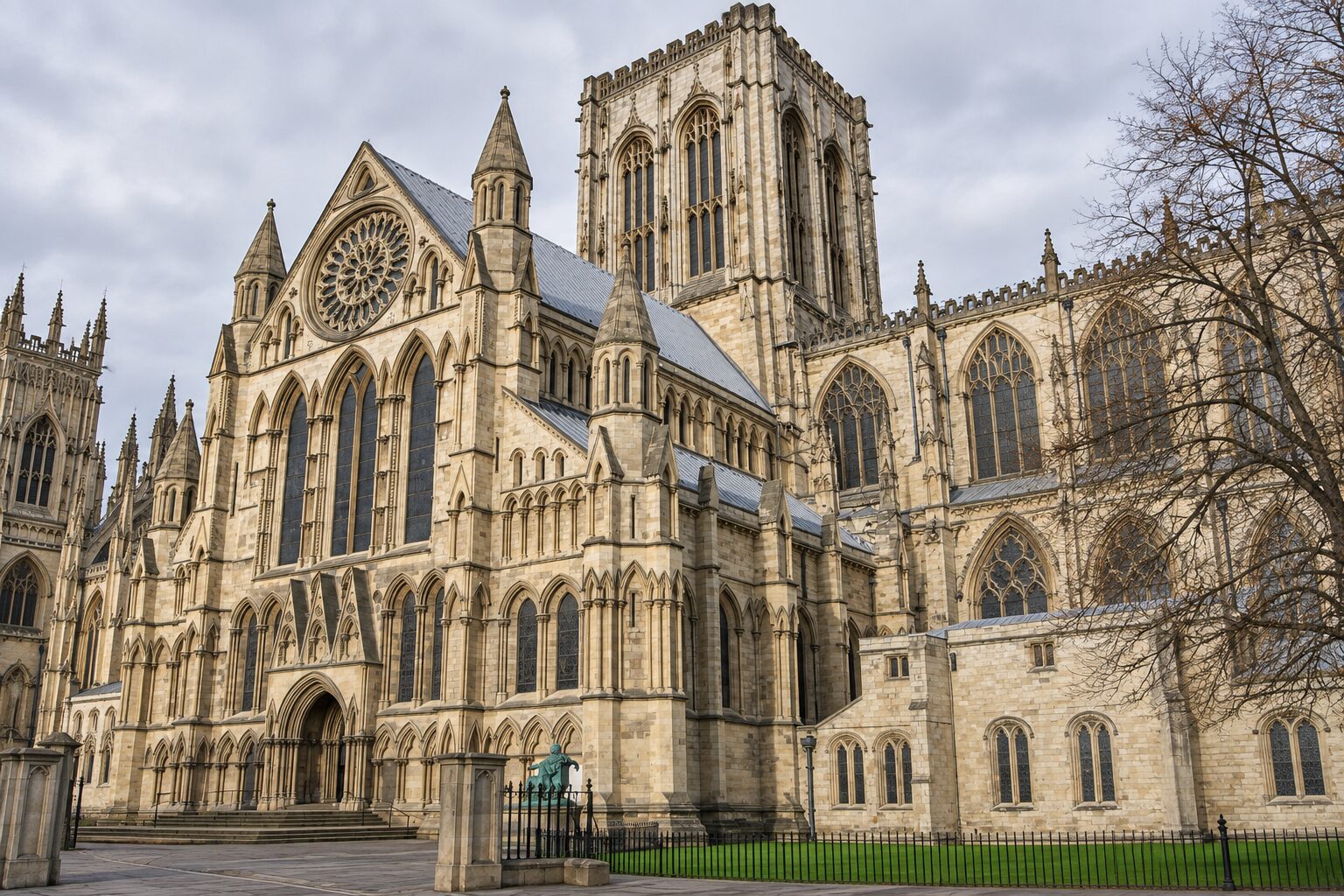
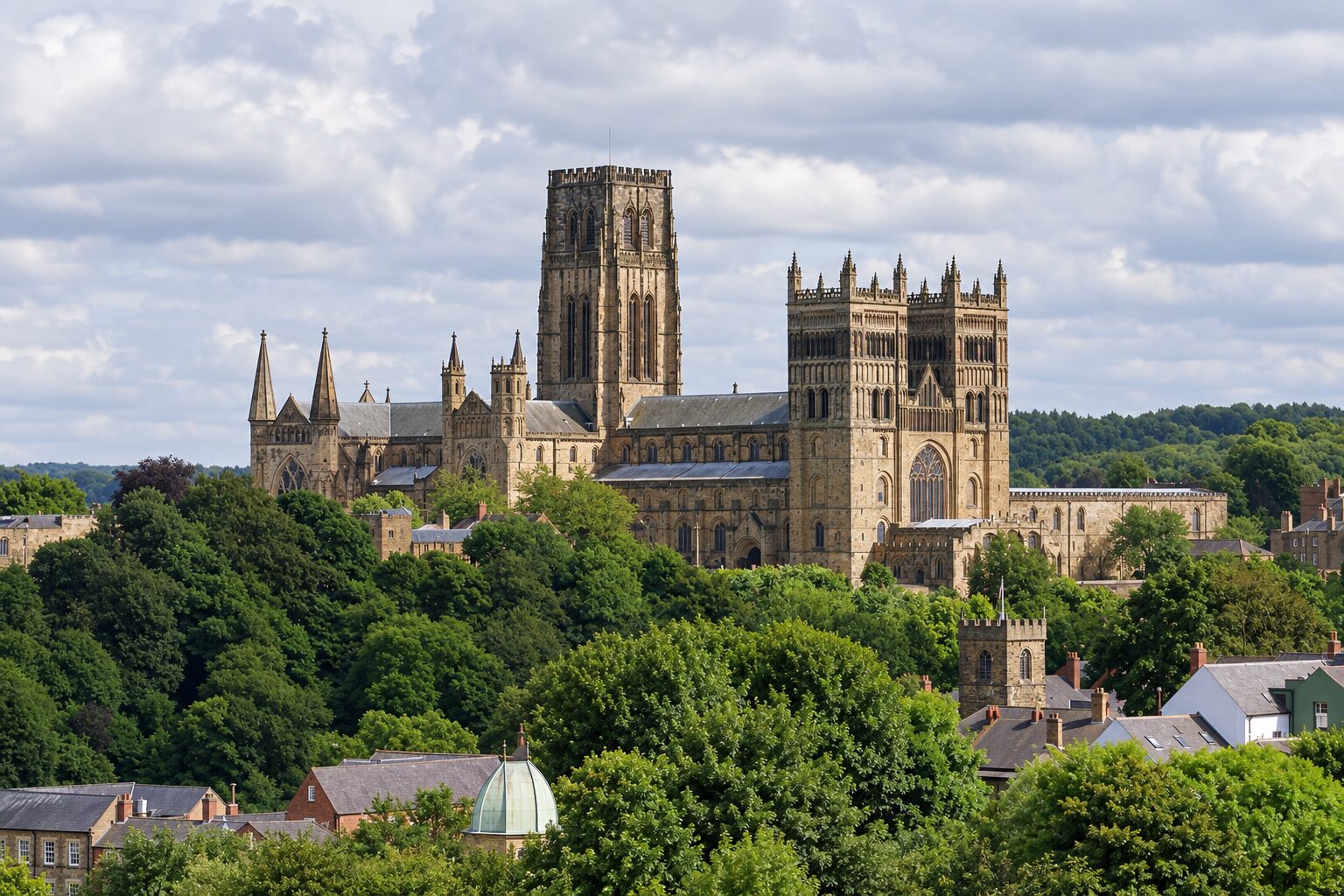
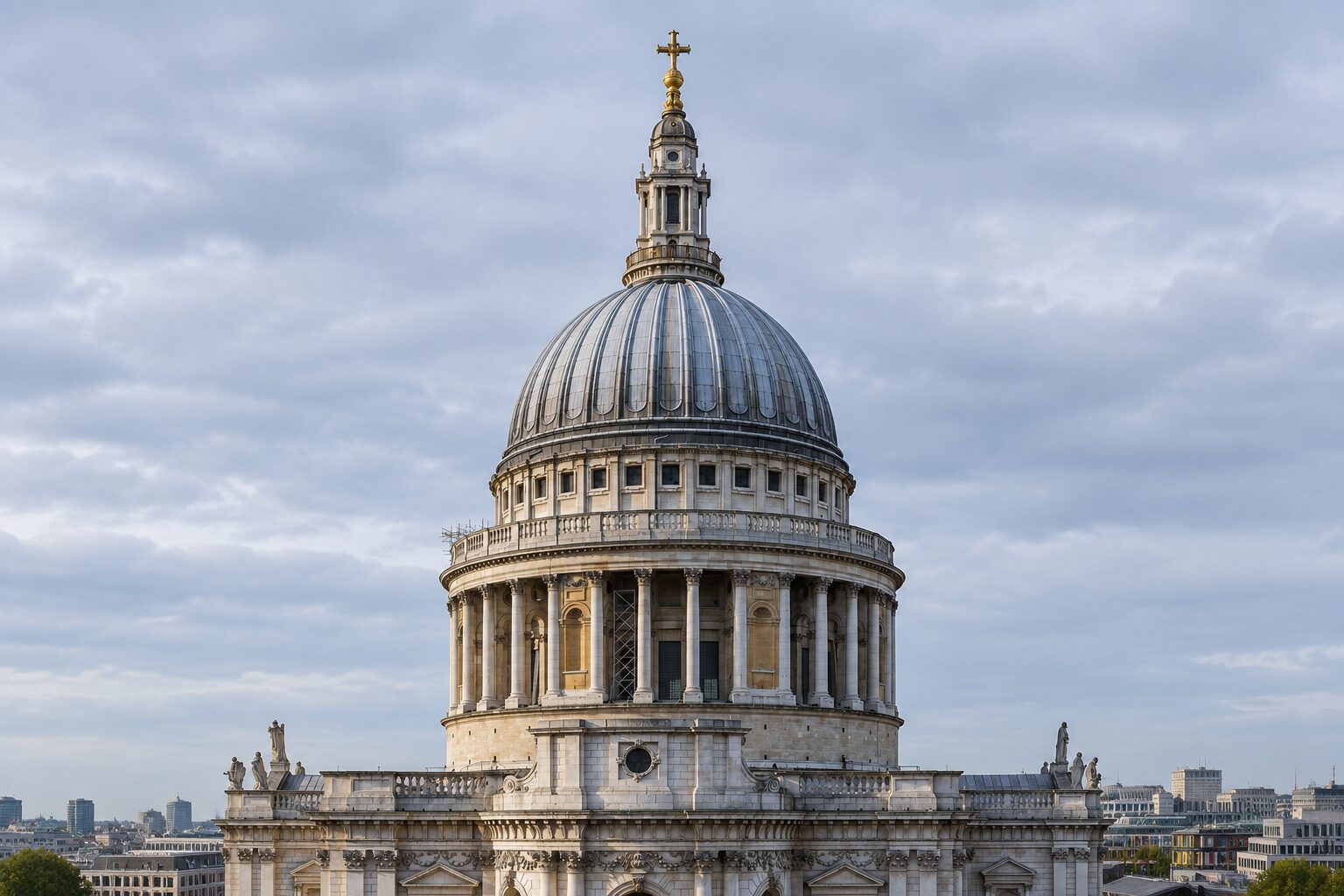
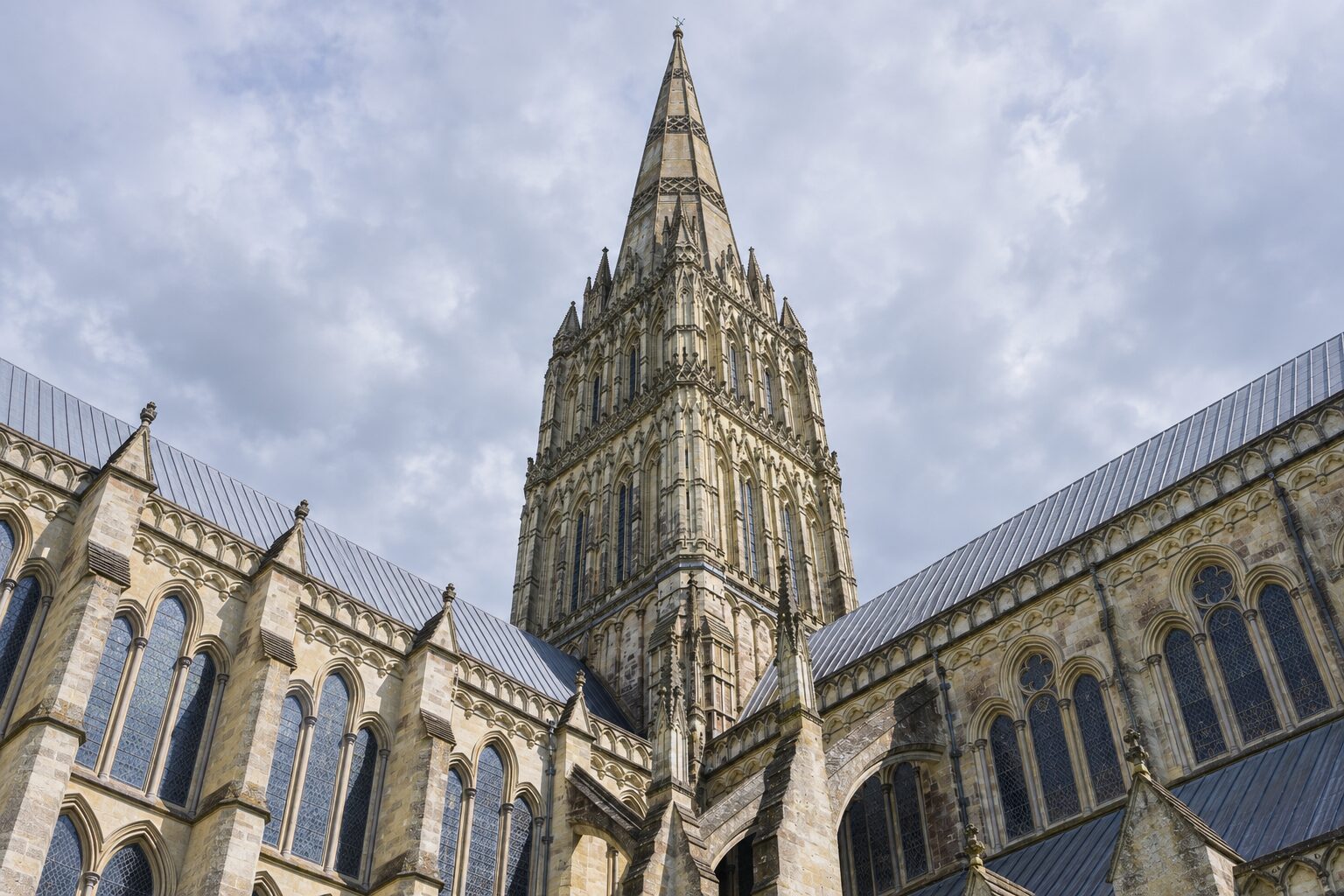
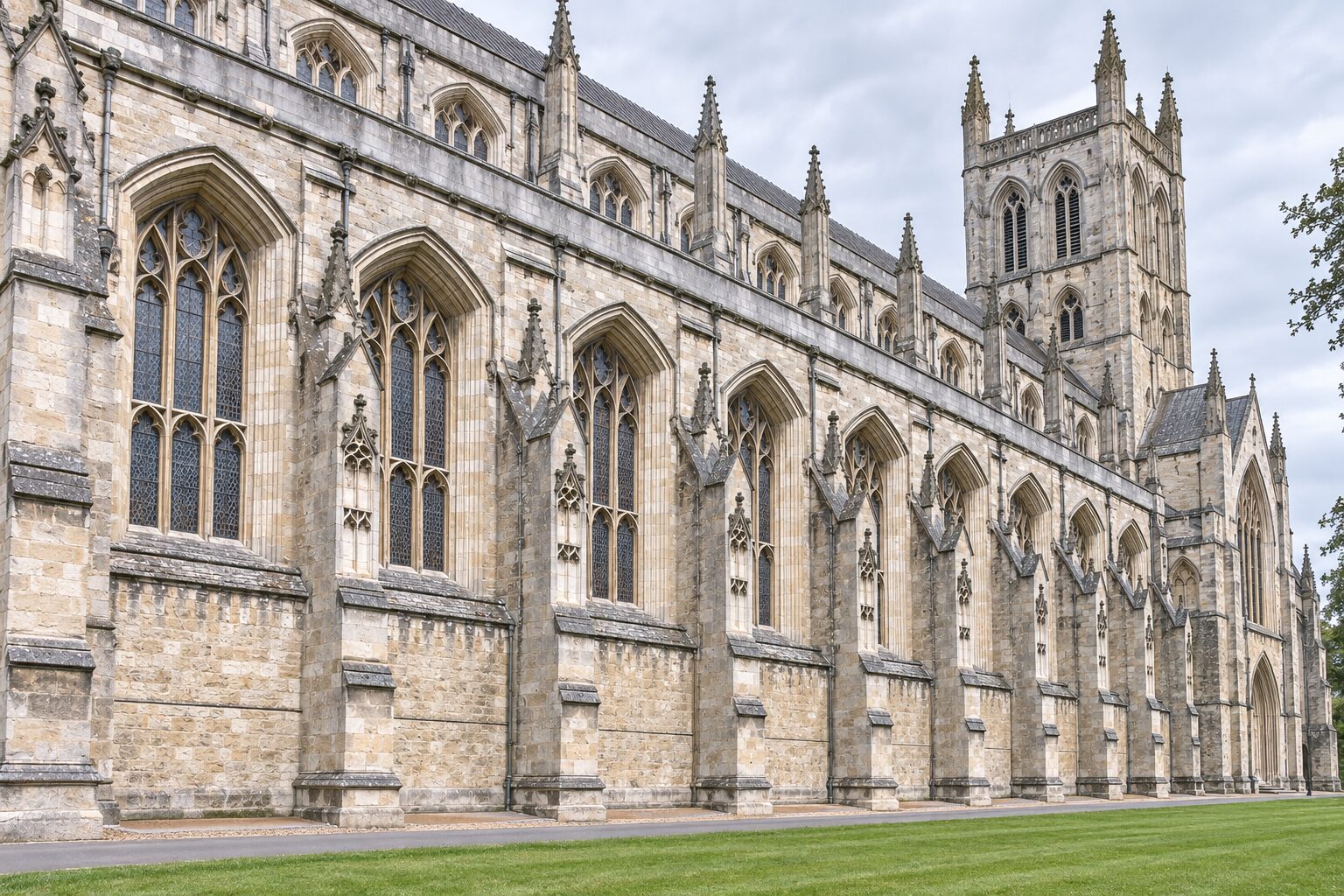
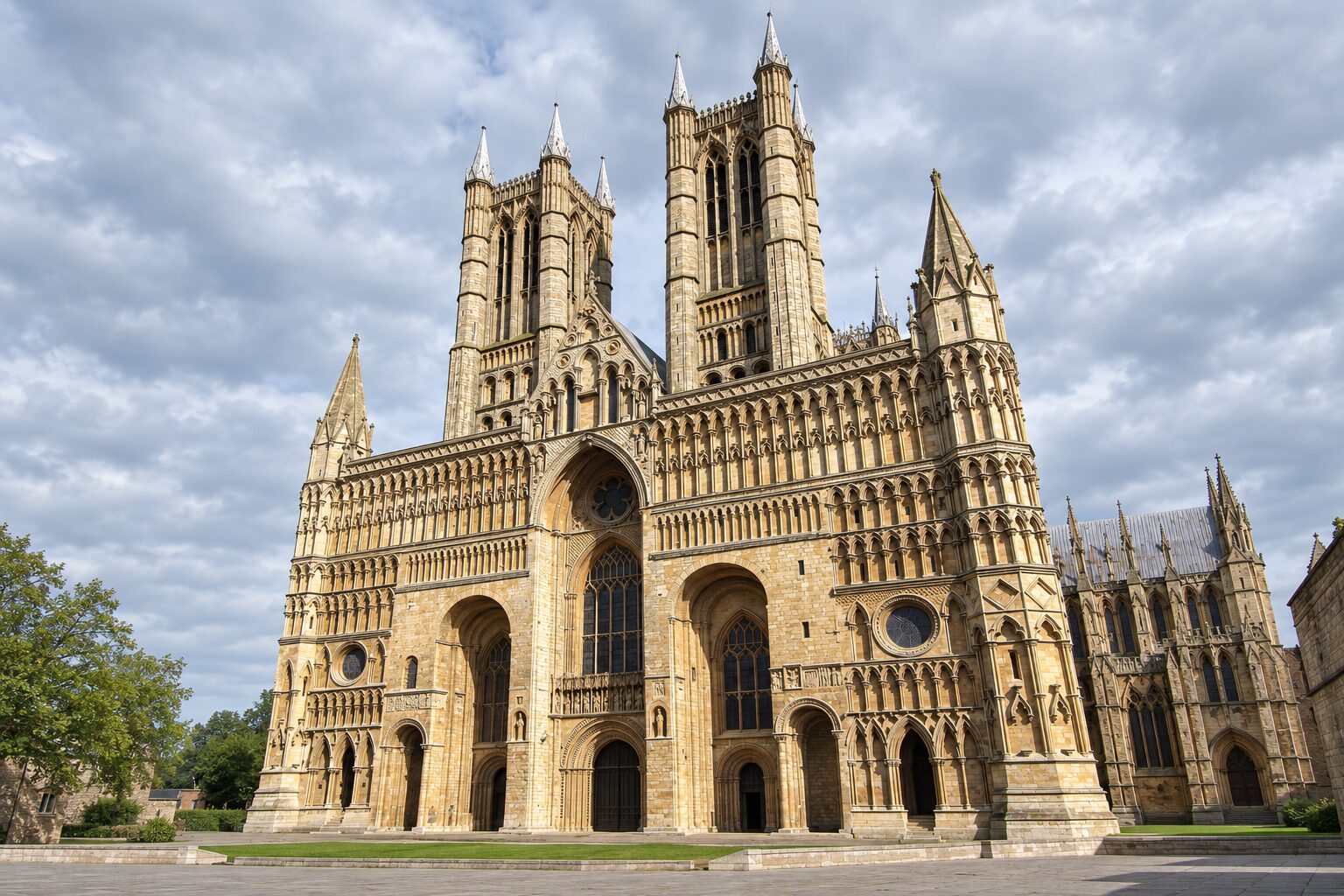
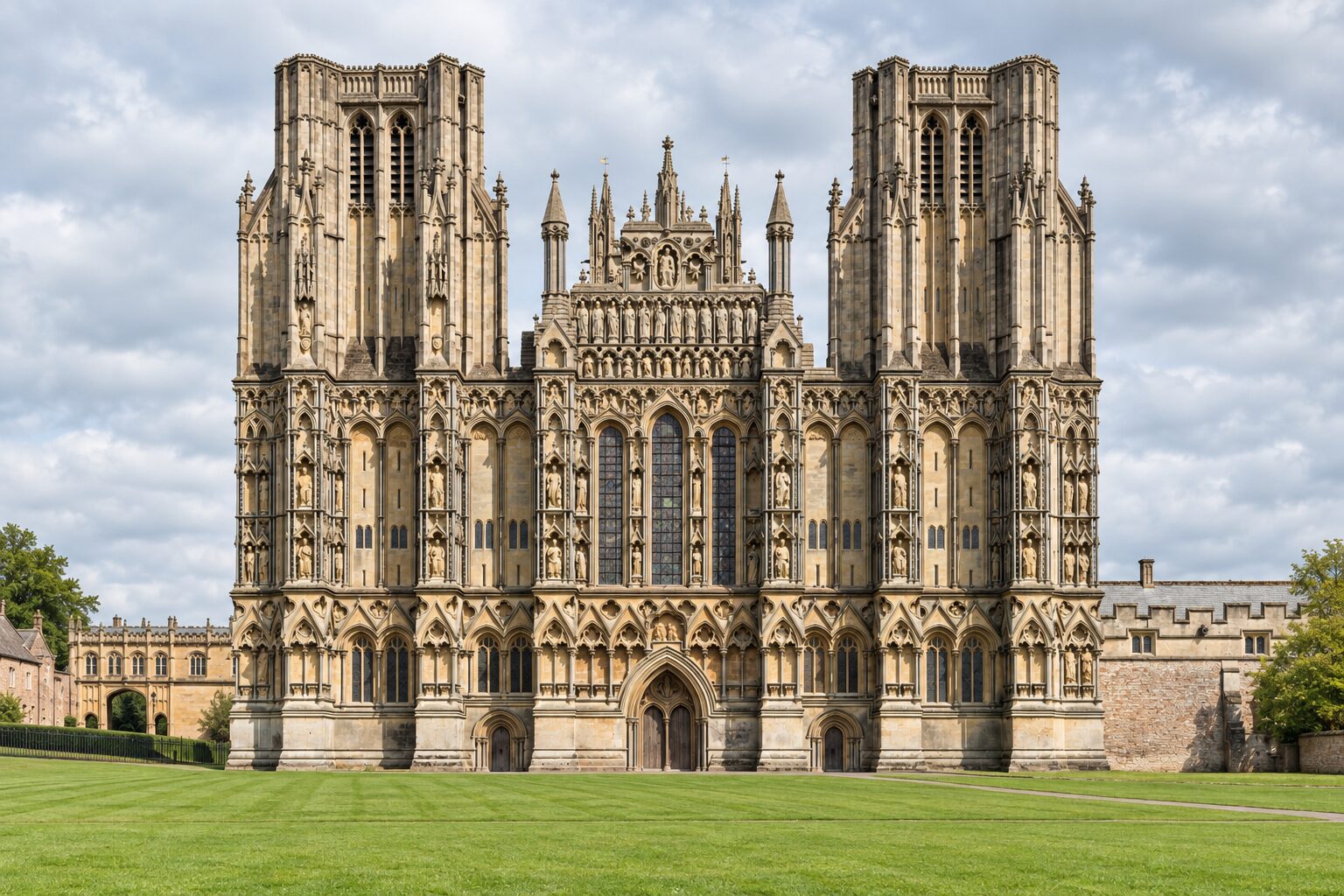
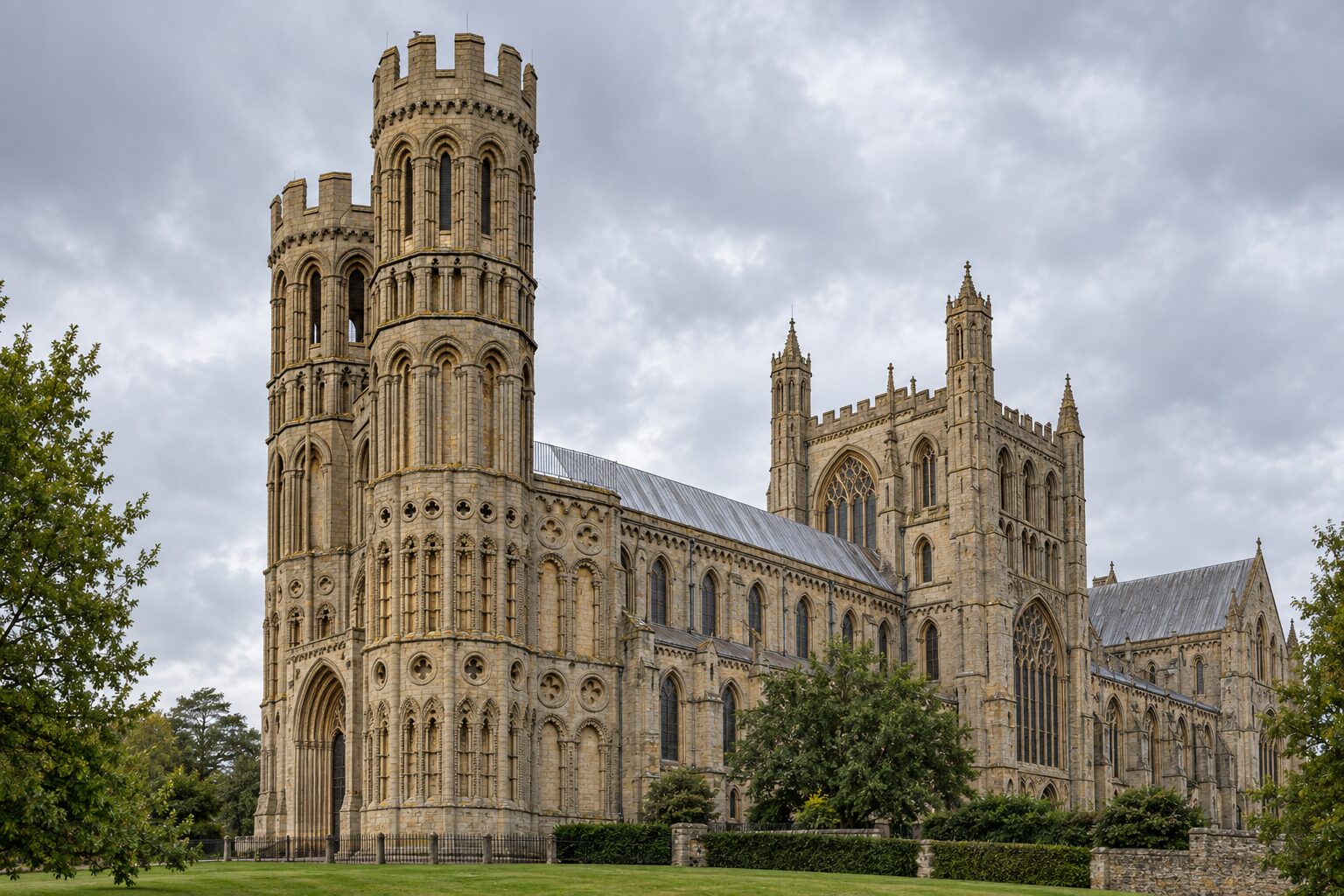
Start with the coronation church of Westminster Abbey, follow the pilgrims' road to Canterbury, or climb to Durham's Norman heights. Each page tells the founding, the history and the architecture, with images of nave and stone.
Begin with Westminster Abbey →